Typography for restaurant menus is far more than a design detail. The fonts you choose silently tell guests what to expect before they even read a single dish name. A swirly script can whisper “fine dining and white tablecloths,” while a chunky slab serif can shout “big burgers and cold beers.” Get it right, and your menu becomes a sales tool. Get it wrong, and you confuse, frustrate, or worse, bore your customers.
In this practical guide, we break down the best typefaces for every restaurant style, explain the psychology behind them, and give you ready to use pairings for headers, descriptions, and pricing.
Why Typography on a Menu Matters More Than You Think
Studies in menu engineering have shown that font choice directly influences perceived value, ordering behavior, and even how tasty guests believe a dish will be. A few facts worth keeping in mind:
- Readability drives sales. If guests struggle to read a description, they default to ordering the familiar.
- Fonts set price expectations. Elegant serifs justify higher tickets. Bold sans serifs feel fast and affordable.
- Typography reinforces branding. Your menu should feel like an extension of your logo, signage, and website.
- Mood is contagious. Rounded letterforms feel friendly and casual. Sharp, condensed letters feel premium and serious.
The Three Font Families You Need to Know
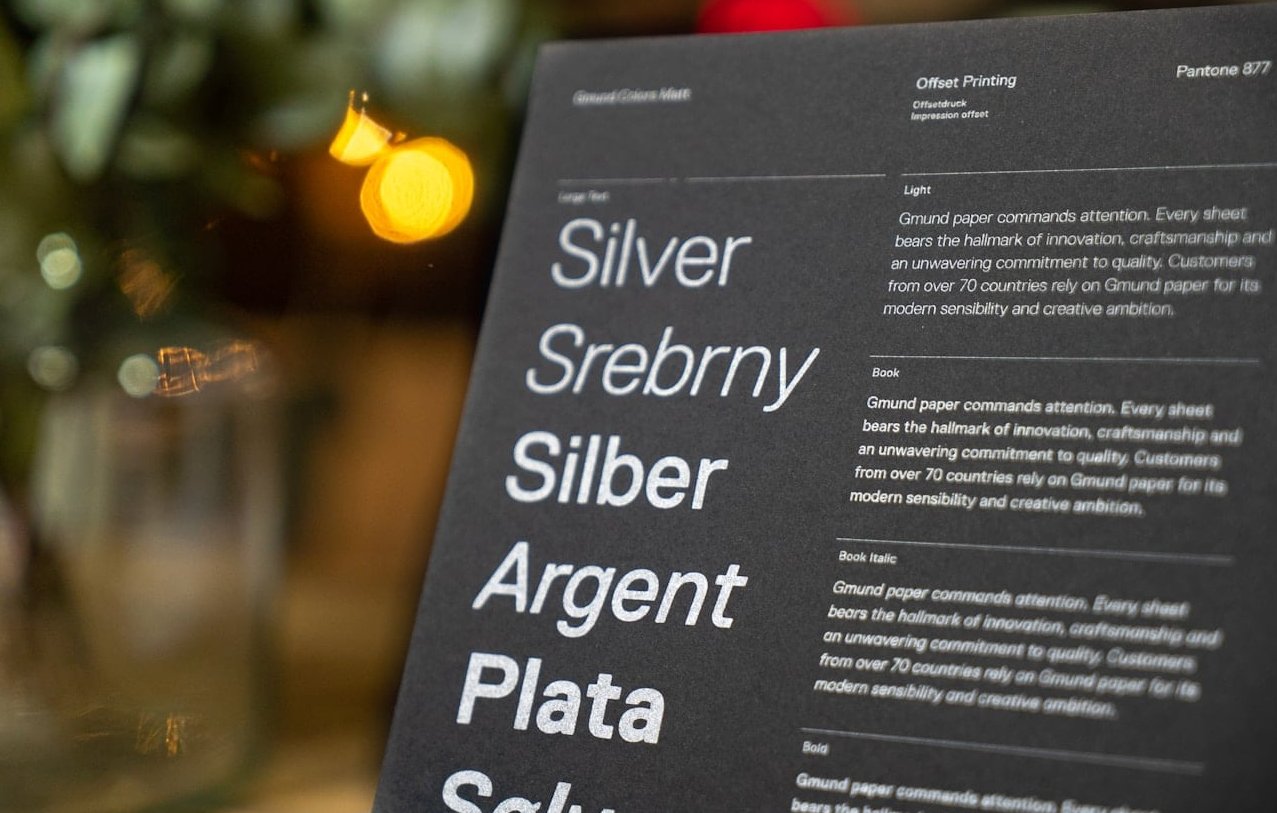
1. Serif Fonts
Recognizable by the small “feet” at the ends of letters. They feel traditional, trustworthy, and refined. Perfect for fine dining, steakhouses, French bistros, and heritage brands.
2. Sans Serif Fonts
Clean, no feet, modern. They feel approachable, efficient, and contemporary. Ideal for cafés, brunch spots, fast casual chains, and minimalist concepts.
3. Display and Script Fonts
Highly stylized fonts used for personality. They are powerful in small doses for restaurant names, section headers, or featured dishes, but should never be used for long descriptions.
Best Fonts for Restaurant Menus by Style
Fine Dining and Upscale Restaurants
You want elegance, restraint, and a sense of timelessness. Avoid anything trendy or playful. Whitespace is your friend.
- Playfair Display for headers
- Cormorant Garamond for descriptions
- Didot or Bodoni for a fashion forward, high contrast feel
- Trajan Pro for classic steakhouse vibes
Casual Bistros and Trattorias
You want warmth and personality without losing readability.
- Lora for headers
- Source Serif Pro for body text
- Libre Caslon for that handcrafted, neighborhood feel
Modern Cafés and Brunch Spots
Light, airy, Instagram friendly. Sans serifs dominate here.
- Poppins for headers
- Inter or Work Sans for descriptions
- Karla for a slightly quirky touch
Fast Food and Quick Service
Speed of reading is everything. Bold, condensed, high contrast wins.
- Bebas Neue for headers
- Montserrat for body
- Oswald for category sections
Burger Joints, BBQ, and Gastropubs
Rugged, bold, hand drawn aesthetics work beautifully.
- Roboto Slab or Arvo for headers
- Lato for descriptions
- A hand drawn display font like Permanent Marker for daily specials only
Asian, Sushi, and Ramen Bars
Lean toward minimalism. Mono spaced or geometric sans serifs feel modern and intentional.
- JetBrains Mono or IBM Plex Mono for an industrial, contemporary look
- Noto Sans for multilingual menus
Coffee Shops
- Café Brasil for branded headers
- Nunito for friendly, rounded body text
Quick Reference Table: Match Your Concept to a Font Pairing
| Restaurant Type | Header Font | Body Font | Mood |
|---|---|---|---|
| Fine Dining | Playfair Display | Cormorant Garamond | Elegant, refined |
| Bistro | Lora | Source Serif Pro | Warm, classic |
| Brunch Café | Poppins | Inter | Modern, friendly |
| Fast Food | Bebas Neue | Montserrat | Bold, fast |
| Burger / BBQ | Roboto Slab | Lato | Rugged, hearty |
| Sushi / Ramen | IBM Plex Mono | Noto Sans | Minimal, intentional |
| Coffee Shop | Café Brasil | Nunito | Cozy, inviting |
How to Pair Fonts on a Menu Like a Pro
The golden rule is contrast plus harmony. Pair fonts that feel different but share a similar mood. Here is a simple framework to follow:
- Choose one personality font for your restaurant name and section titles. This is your hero typeface.
- Choose one workhorse font for dish names and descriptions. It must be highly legible at 10 to 12 pt.
- Use weight, not new fonts, to create hierarchy. Two fonts maximum on a menu. Three only if you absolutely need a script for accents.
- Treat prices with care. Use the same font as descriptions, often slightly smaller, never bolded, and never with a leading currency symbol if you want to soften price awareness.
Typography Mistakes That Quietly Hurt Sales
- Using script fonts for entire descriptions. Beautiful for one line, exhausting for a paragraph.
- Centering long blocks of text. Left aligned reads faster.
- Going below 10 pt. Your guests are dining in candlelight, not a lab.
- All caps everywhere. Reserve uppercase for short headers only.
- Highlighting prices with bold or dollar signs. Research shows this reduces spending. Let prices sit quietly at the end of the line.
- Mixing too many fonts. Stick to two. Maybe three. Never four.
Practical Sizing Recommendations
| Element | Recommended Size | Weight |
|---|---|---|
| Section headers | 16 to 22 pt | Bold or display |
| Dish names | 12 to 14 pt | Semi bold |
| Descriptions | 10 to 11 pt | Regular |
| Prices | 10 to 11 pt | Regular |
The Psychology Behind Restaurant Menu Fonts
Different letterforms trigger different emotional responses. Here is a quick translation guide:
- High contrast serifs (Didot, Bodoni) feel luxurious and editorial.
- Old style serifs (Garamond, Caslon) feel traditional and trustworthy.
- Slab serifs (Roboto Slab, Arvo) feel solid, casual, and confident.
- Geometric sans (Poppins, Futura) feel modern and innovative.
- Humanist sans (Lato, Open Sans) feel friendly and approachable.
- Monospaced fonts feel intentional, technical, and trendy.
- Hand drawn scripts feel artisanal and personal.
Final Thoughts
The best typography for restaurant menus is the one that disappears into the experience. Guests should feel something, not notice the font. Choose typefaces that align with your concept, prioritize readability, and remember the cardinal rule: two fonts are almost always better than three. Test your menu in real lighting conditions, with real guests, before printing a single copy.
FAQ
What is the most readable font for a restaurant menu?
Sans serifs like Inter, Lato, and Source Sans Pro are the most readable across all lighting conditions. For serif lovers, Source Serif Pro and Lora are excellent.
How many fonts should I use on a menu?
Two is the sweet spot. One for headers, one for body text. Add a third only if you need a decorative accent for the cover or featured items.
Should I use a script font on my menu?
Use scripts sparingly, never for descriptions. They work well for restaurant names, section titles in fine dining contexts, or to highlight a chef’s special.
What font size should descriptions be on a printed menu?
Aim for 10 to 11 pt minimum. Anything smaller becomes unreadable in dim restaurant lighting.
Are free fonts good enough for professional menus?
Absolutely. Google Fonts offers professional grade typefaces like Playfair Display, Lora, Poppins, and Bebas Neue that rival paid options. Just verify the commercial license before printing.
Should I bold the prices on my menu?
No. Bold prices draw attention to cost rather than the dish. Keep prices in the same weight as descriptions and remove currency symbols when possible to soften price perception.